
Our Operation
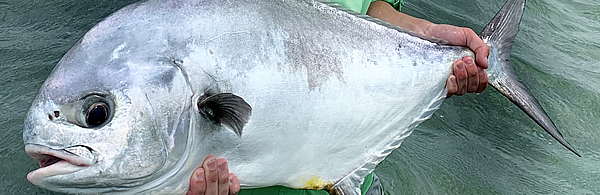
Because we’re a small family-run outfit just starting out, we’re only booking one or two anglers per day to experience the lightly fished flats of mid- and eastern Roatan. Sure, we want more clients using more guides as we grow, but we’ve seen larger guiding operations become “cookie-cutter,” with many interchangeable guides serving clients professionally, but not so much personally.
So, we seek to grow our business by providing quality services at reasonable rates while developing positive guide/client bonds, and we look forward to building long-term relationships with our current and future anglers.
Our Boats
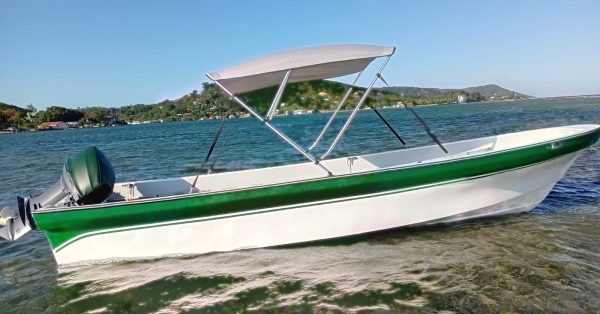
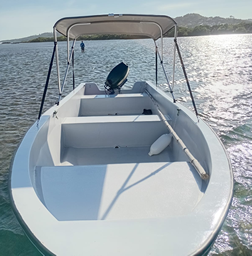
We use 18-foot pangas, simple, light, v-hull fiberglass craft made locally on the island. This one was made by Kessel’s cousin right next door. Our motors are 40hp outboards, efficient and great for our waters. Clients have commented on the panga’s stability in rough water or sizeable swells we occasionally face on the way to the flats. Bench seats leave plenty of room for your gear and rods. When we pole, we’re either standing on the rear bench or carefully walking around the gunnels, even in the front, depending on the course we’re using to get you close to fish.
You’ll note the bamboo push pole in the second image; it’s part of the island culture, using locally made, functional equipment rather than mass-produced alternatives. We even anchor up by tying our pangas to bamboo shafts we shove in the sand on flats.
Trip Details
We start the day early, around 7 am, picking you up at your lodging’s water access and discussing what you’d like to fish for – typically permit – and whether you want to fish from the panga, wade, or both. While you eat the simple on-boat breakfast we provide (usually a simple meat & cheese sandwich or veggie wrap), the guide will head for the first flats most suitable for your choices, pole or anchor, and help you find and catch your fish of the day.
Around noon, we’ll head for some shaded mangrove spot for your pre-made lunch: A variety of local recipes like simple sandwiches, roast chicken, or wraps and sliced veggies or a mixed salad, chips, sodas and cookies. We always carry plenty of clean drinking water, too, so no one is dehydrated.
The afternoon is spent searching various new spots for more fish – hopefully landing some – then heading back to your lodging around 4pm.
Getting Ready for the Flats
Practice Your Casting
Flats are fishy, but challenging. Your casting ability is the key element for success, so we ask that you spend time practicing before you join us in Roatan.
Physical Ability
Fishing the flats by boat or wading can be difficult if you’re not prepared. Exercising to improve your physical stamina will make a big difference in your ability to fish for several days in a row and finishing your trip as strong as you started it.